
Jobstacles
“Damn I wish I wrote that.”
I borrow this from Canadian musician and DJ, Kim Mitchell. Mitchell uses this phrase to pay admiration and respect to a fellow artists’ work: a lyric, guitar riff, or production.
I am using it to denote my admiration and respect to thought leaders who share an idea that is SO good, that I wish I wrote that.
“Jobstacles”
Damn I wish I wrote that.
“Jobstacles” is a term I am borrowing from my friend, colleague, fellow speaker, adorable human and, thought leader on culture and leadership, Michael Kerr.
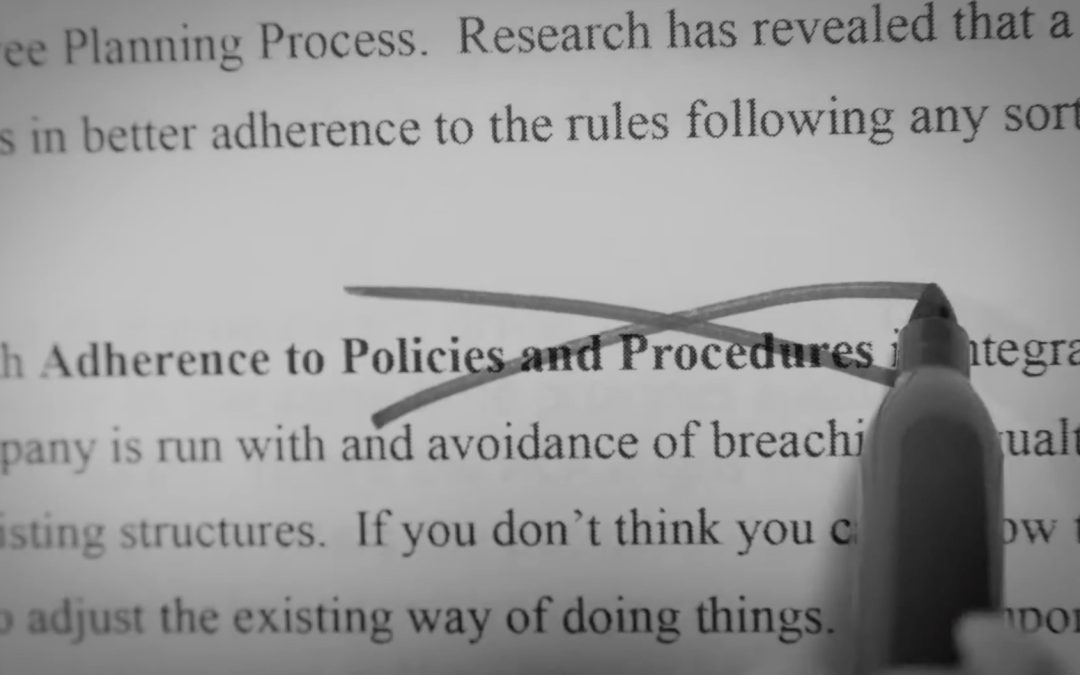
A jobstacle is any job-related obstacle that gets in the way of you, or your employees, doing their best work.
It can often take the form of “red-tape”, an overly complicated procedure, or inordinately restrictive policy. These scripts are designed to protect the organization; however, they instead tend to limit what is possible.
Chances are that restrictive policy was written in response to something that occurred… once. Regrettably, we immediately start to draft prohibitive language to ensure that it never occurs again, in any conceivable, albeit unlikely, form. It gets edited, drafted, reviewed by counsel, communicated, and filed in that cavernous file drawer only to be pulled out when someone does, whatever it was, again.
If instead, we spent that time communicating the positive culture we want to achieve, hire good people, and trust them to do good work, we might not have needed to draft that policy at all.
As revealed in my Chaos2Clarity research, we need to spend more time reducing barriers to curiosity and creativity, rather than trying to encourage those innate traits in a an overly-restrictive environment. It’s not that we are building an incurious culture intentionally, we are however building a high-IU (Intolerance for Uncertainty) environment and then wondering why people don’t explore.
These jobstacles are like an idea toll-booth: they may not stop the idea permanently, but the individual knows there will be a price to pay and may decide it’s not worth pursuing.
The fastest path to a creative, adaptive culture is not a creating a creativity training program— it is an audit of what your organization is currently doing to suppress the creativity that is already there!
If instead we can remove the barriers, we can amplify the positive impact of the natural curiosity and creativity in the room and make space for the unscripted moments.
The culture should encourage our best work, not get in the way.
Remove the jobstacles and let the ideas flow.
For 6 examples of Jobstacles and what to do instead – see LinkedIN article


